Projects

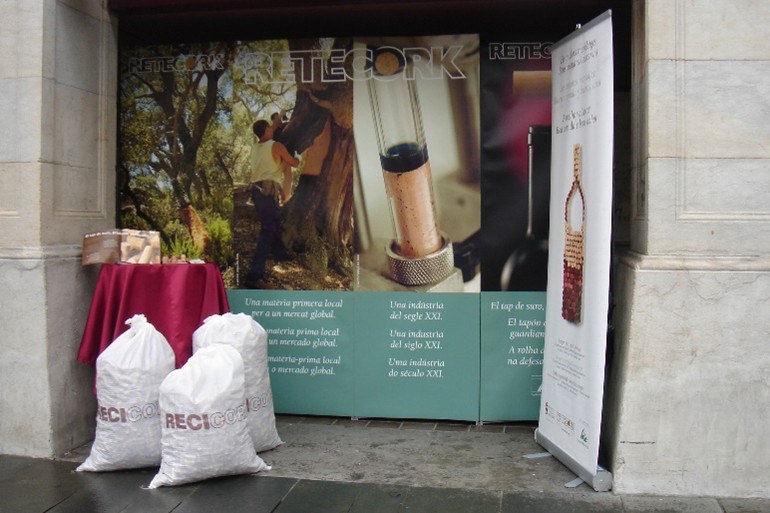
Since its creation, RETECORK has developed different projects that have been the basis and starting point for its implementation and making itself known. On the other hand, they have also made it possible to offer resources and tools to the different cork territories for the promotion of the sector in their municipalities, as well as universally.

Cork Experience: a world to discover

The goal pursued by “Cork Experience: a world to discover” is to develop new sustainable tourism products based on cork. It is a highly innovative project which combines the creation of tourism packages and activities with experiential workshops that involve the cork sector’s entire value chain.

It is sponsored by six partners: the European Network of Cork-Producing Territories, the agencies Trek&Ride, Albatros Tours and Namasté Viajes, the association Cor de Suro, and the Consorci de les Gavarres. It has been implemented in Andalusia, Aragon, Cantabria, Castile and Leon, Catalonia, Valencian Community and Extremadura. It was been awarded a grant amounting to €692,738.20, distributed among the six partners, and it is framed within the Recovery, Transformation and Resilience Plan, financed by the European Union’s Next Generation funds and developed within the ‘Experiencias Turismo España’ Programme managed by the Spanish Ministry of Industry and Tourism’s State Secretariat for Tourism.
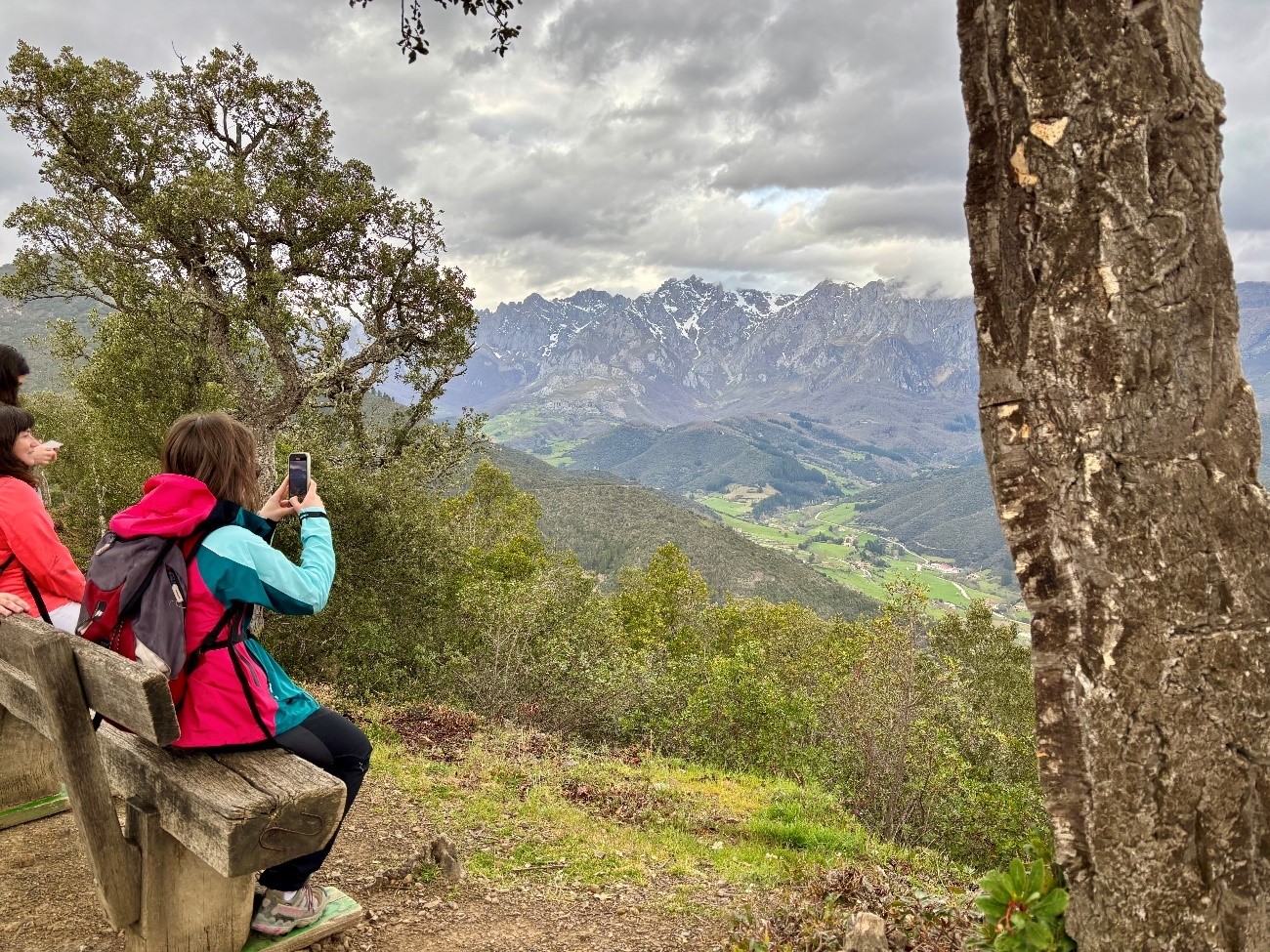
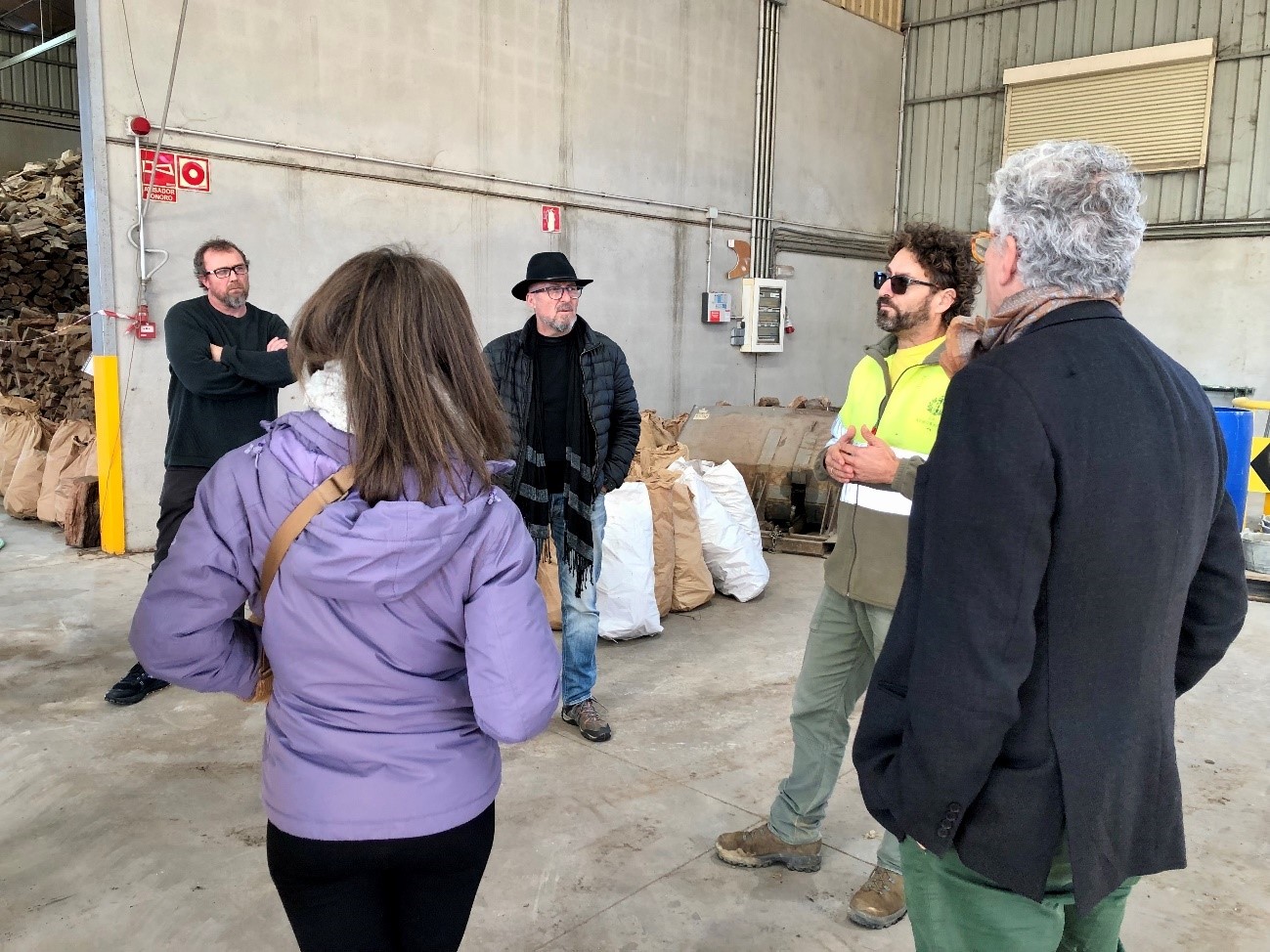
The Cork Experience trails showcase natural and cultural resources and promote associated activities. Along these routes, tourism experiences have been designed leveraging cork-related crafts, art and traditional trades, supported by widely promoted analogue and digital tools. Support has also been given to create networks for collaborative work based on the cork experience and to redesign current tourism services and products, among other actions.

The project’s most significant milestones

  • Creation of 17 trails, 7 tourism products and 25 experiences rooted in the territory, including the Great National Cork Route and the Catalan Cork Route.
  • Pilot projects with ephemeral cork-based art installations: Inhabited Cork Oak Forest (Sierra de Espadán, Castellón) and Art&Gavarres (Les Gavarres Area of Natural Interest).
  • Five awareness-creating, training and networking workshops held in Badajoz (Extremadura), Palafrugell (Catalonia), Castellar de la Frontera (Andalusia), Potes (Cantabria), and Eslida (Valencian Community).
  • Online training courses on creating sustainable products and experiences, integrating craft activities in tourism and promoting cork-based experiences, with over 170 attendees.
  • Development of a transmedia multi-language tourism web app that brings together all the created content to enable tourists to customise their visit, with particular emphasis on shared narratives in the cork-producing territories. It also includes calculating and offsetting tourist impacts with regenerative practices, access to special offers through discount vouchers, 360° photos and gamification dynamics.
  • Publication of a manual for creating sustainable tourism products, a comprehensive catalogue of experiences, leaflets with information about the cork trails and an online guide-map of the cork-producing territories.

CORKLANDTOUR. Cork, Landscape & Tourism. Social and Tourist Enhancement of Cork Territories – 2014

Through the CORKLANDTOUR. Cork, Landscape & Tourism. An Appreciation of the Corklands, an assessment of their potential to the tourist industry project, which receives the collaboration of the Biodiversity Foundation, the Ministry of Agriculture, Food and Environment, will discover the world of cork through its municipalities, the natural spaces where they are located and the museums and interpretation centers.

This project aims to promote the local development of the cork territories and raise awareness of the importance and uniqueness of their natural and cultural heritage through tourist enhancement.
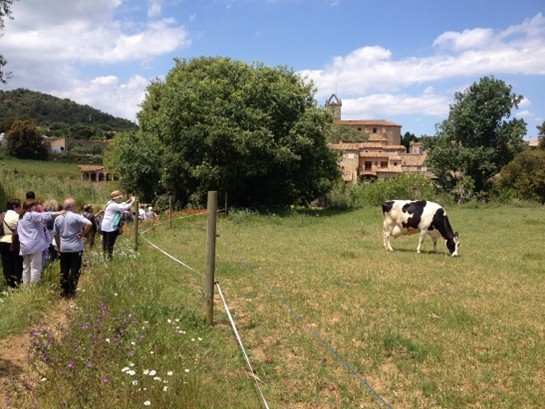
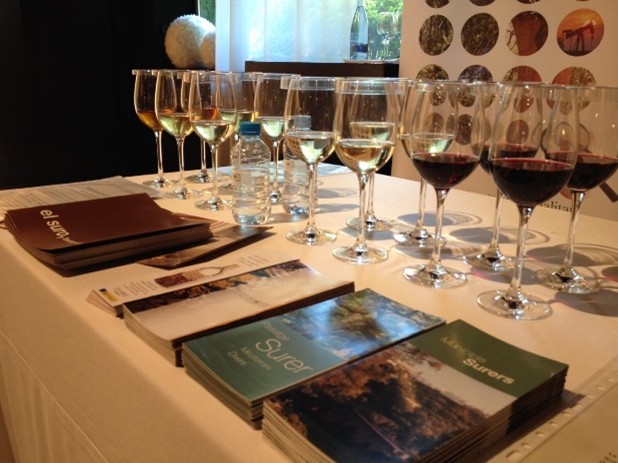
Through revitalising landscapes and cork-producing heritage, the aim is to create an extensive range of nature, active, cultural, wine and gastronomy and industrial tourist products aimed at different niches of the national market and the main European markets from which tourists come to Spain.

This tourist activity should create new opportunities for economic development in rural areas that are compatible and complementary with maintaining the primary (forestry) and secondary (cork transformation) activities as a basis for the sustainable development of the territories.

The project will be developed during 2014 in cork-producing territories in Andalusia, Aragon, Castilla-La Mancha, Castilla and León, Catalonia, the Valencia Region and Extremadura that are members of RETECORK, as this involvement is the condition for the introduction of the activities that are being contemplated.

Within this framework, work is being done on updating the inventories of tourism resources and their presence on the marketing platforms carried out by RETECORK in 2011; Awareness and training sessions are being developed for tourism agents in each territory for the creation of a product; and a presentation dossier and technological platform is made that will serve to promote these territories to tour operators, the media, opinion leaders, the local population and potential visitors.

CORKLANDTOUR aims to reinforce the work done by RETECORK, intensifying the relationship between micro and small enterprises, tourist agents (both public and private) and possible visitors, to revitalise cork products and their associated heritage. The creation of themed products will also enable the diversification of visitors, will reduce the seasonal nature of visits, creating new jobs (more stable and better quality) and will improve the profitability of the tourist activity.

Cork Territories. Cork and cork landscapes as the basis for sustainable development in rural areas – 2010-2013

In 2010, a grant of €573,125.56 was given to the pilot project Cork Territories. Cork and cork landscapes as the basis for sustainable development in rural areas, within the framework of the announcement of the National Rural Network. The project is co-financed by the Ministry for the Environment and Rural and Marine Affairs and the EAFRD (European Agricultural Fund for Rural Development).

The cork sector and territories are currently facing a series of threats that undermine their competitiveness and that require innovative solutions that improve the quality of forests and pastures, generate new uses of forest resources, diversify the range of processed products , promote the cork stopper and its excellent properties compared to its competitors and promote innovation. Likewise, it is necessary to generate new economic activities in these territories, linked to landscapes and tangible and intangible heritage.
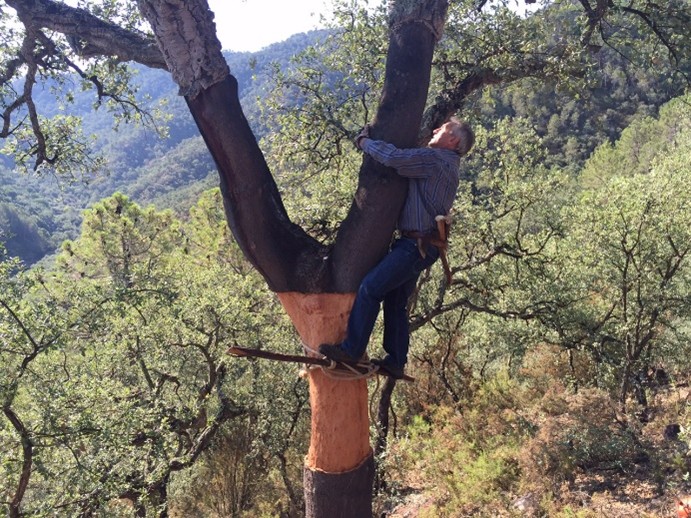
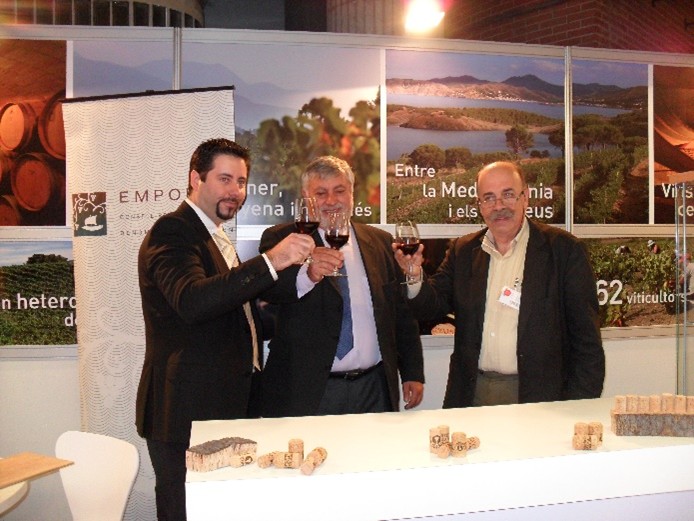
The project presented aims to help consolidate the uniqueness and identity of the cork territories and make it a new element of rural development. The planned actions are aimed at seeking new opportunities for the sector, supporting its production structure, improving the training of its workers and creating new sources of employment through a sustainable management of cork oak forests that ensures their viability and their strategic ecological function. Also, it is intended to raise awareness among citizens about the importance of consuming products that use cork as an active contribution to the conservation of Mediterranean forests.

The Cork Territories project has set the following objectives:

  • Reinforce the competitiveness of the territories through greater territorial coordination and greater cooperation between the local public players and those forming part of the production chain.
  • Promote innovation and technological development in the sector as a key element to increasing productivity, competitiveness and the opening of new markets.
  • Facilitate the creation of stable employment, consolidating the population and improving the quality of life of the inhabitants of these areas.
  • Promote the use of cork as a natural, organic, renewable and biodegradable product.
  • Promote new economic activities based on the valuation of cork countries and their cultural and ethnological heritage.
  • Reinforce RETECORK as an organisation of reference that represents the interests of the territorial groups that are present in the cork sector.

The municipalities involved in the project are Alcalá de los Gazules, Cortes de la Frontera, Hornachuelos, Jimena de la Frontera, Los Barrios, Tarifa, Calonge, Cassà de la Selva, Llagostera, Palafrugell, Santa Coloma de Farners, Sant Celoni, Sant Feliu de Guíxols, Tordera, San Vicente de Alcántara, Mancomunidad Integral de la Sierra de San Pedro, Eslida, Navahermosa and Muelas del Pan.

The proposed activities are:

  • Start-up of the project with the adaptation of two technical headquarters in Palafrugell and San Vicente de Alcántara, and the creation of the project monitoring and evaluation committees.
  •  Analysis of the new opportunities and potentials of the cork territories.
  • Management and innovation actions in the sector promoting forest managements, dissemination of R&D studies, traceability of cork products, new technologies applied to the sector, new applications for the material, etc.
  • Joint platform for promoting cork through the design and implementation of a plan for institutional and promotional relations.
  • Dissemination of the culture and ethnography of cork through the creation of tourist products.

CorkLab: laboratory of cork design

CorkLab is a research and innovation project looking into possible new applications of cork (either crude or residual) within the context of ecodesign and developed by students and lecturers on the Master’s degree in Design and Architecture at ELISAVA, the Barcelona School of Design and Engineering.

The project, which was approved in February 2011 and which lasted through until May 2012, enjoyed the collaboration of the CatalunyaCaixa Social Fund and is part of the Territorios Corcheros pilot scheme, jointly funded by the Ministry of the Environment and Rural and Maritime Environment and the FEADER.

It was created as a result of the need to design an innovative action aimed at the cork-producing sector as a new channel of development and communication, and of interest to designers and architects due to working with a natural material with a long industrial tradition which preserves the same characteristics.
Objectives:

  • The creation of a training plan in collaboration with ELISAVA that allows made-to-measure solutions to be offered to the cork industry.
  • Research into new uses of the material, applying design criteria.
  • Support to the development of specific products that offer the material commercial openings.
  • The dissemination of the use of the material for future advisors (architects, interior designers, industrial designers, etc.) and other interested social agents.

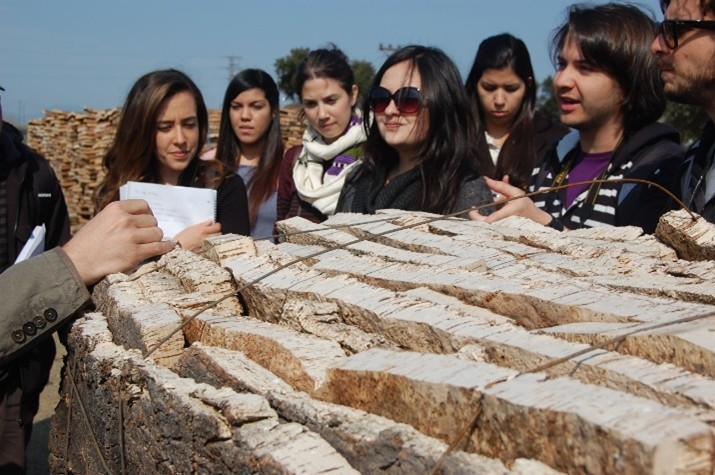
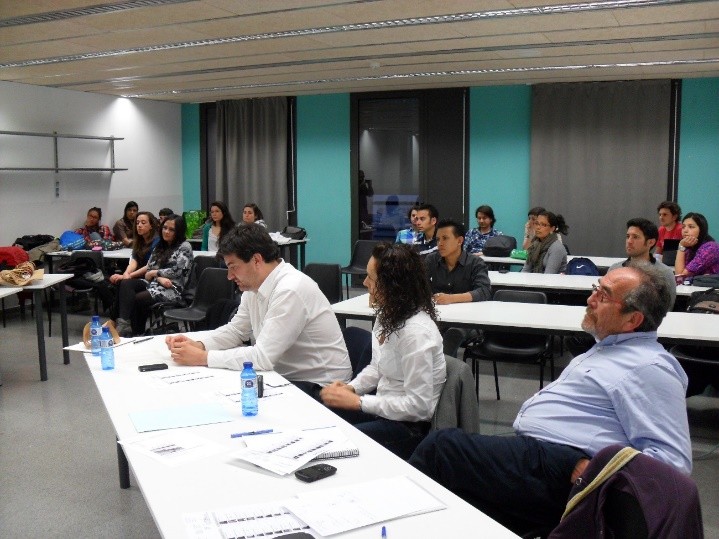
The first training session included a visit to the headquarters of RETECORK as well as an operating cork oak forest and two cork industries in the municipality of Palafrugell: T.E.S.A., dedicated to the manufacturing of cork stoppers for cava, champagne and sparkling wines and Cork2000, an industry that specialises in other cork applications such as insulation, lamination, parquet, do-it-yourself, handicrafts, etc. Other sessions were organised by associations such as the Forestry Consortium of Catalonia, the Catalan Cork Institute and the Palafrugell Cork Museum.

CorkLab was possible thanks to the contributions of:

  • Students of ELISAVA who participated in the project and the authors of the proposals: Alba de Armengol, Stephanie Ponce, Pablo Rodríguez, Alejandra Gibert, Eliana Valencia, Karina Arredondo, Daniela Fullenkamp, Beatriz Burgueño, Antonia Marroig, Salem Sinnawi, Beatriz Villegas, Francisco Guerra, Cosma Musacchio, Álvaro Aguirre, Carlos M. Díaz, Maria Vera and Karin de la Vega.
  • Tutors at ELISAVA: Mauricio O’Brien, Salvador Fábregas, Martín Azúa, and Oriol Pascual.
  • Speeches by professionals and technicians in the cork sector: Lluís Medir, Josep M. Tusell, Manel Pretel, and Josep Espadalé.

The CorkLab concept is dematerialised to materialise and give cork an added value. After the training, work and tutorial sessions, the eight architects, five interior designers, three designers and one philosofer, most of whom are international students, submitted their prototypes.

RETECORK, European Network of Cork Territories, an instrument for sustainable development in rural areas – 2010
In December 2009, the Biodiversity Foundation gave a grant of €69,697.60, representing 56% of the total budget for the project RETECORK, European Network of Cork territories, an instrument for sustainable development in rural areas. Networking, led by local authorities but with the participation of professional associations, research centers, environmental associations, etc., will facilitate a better understanding of the strategic importance of the cork sector for the promotion of local development in rural areas, the conservation of Mediterranean landscapes and the preservation of the environment.

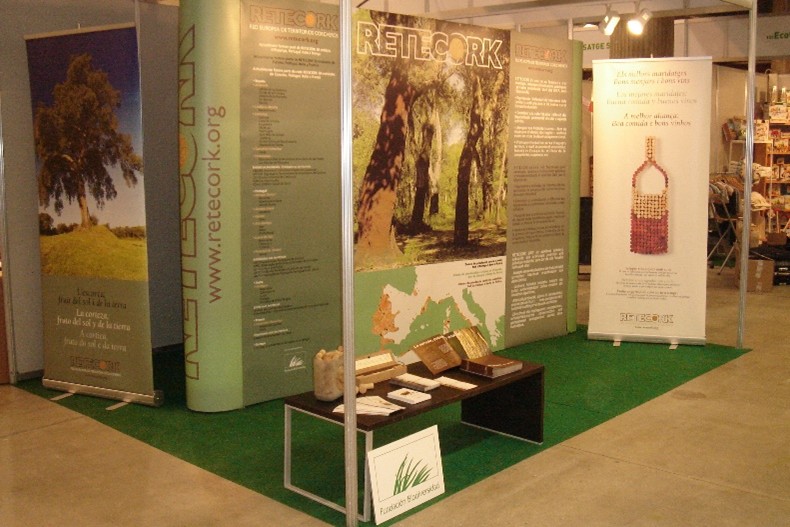
A major effort must be made to publicize RETECORK, its objectives and the importance of this sector, presenting it to local and regional authorities as well as other political representatives. Also, the whole of Spanish society through the media, opinion leaders, participation in debates, exhibitions, websites and virtual forums, etc.
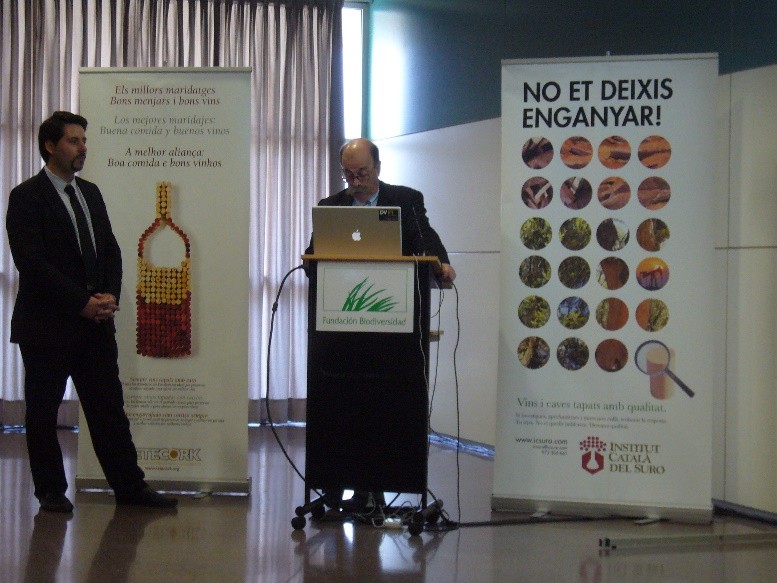
In this same sense, it is essential to value the most characteristic product of the cork activity, the cork stopper, making the consumer aware of its main values ​​related to the maintenance of Mediterranean forests, its food traceability, its energy efficiency and its capacity to create employment and sustainable development in rural areas.

Global and specifics objective of the project:The overall objective of the project is to strengthen the Network by expanding the number of partners and sensitizing society about the social, economic and environmental importance of the cork sector, through the following specific objectives:

  • Expand the number of Spanish members of RETECORK, especially local and regional entities in the areas of Andalusia, Extremadura, Catalonia, Castilla y León, Castilla-La Mancha, Comunidad Valenciana, La Rioja, Asturias and Galicia.
  • Have a more extensive representation of non-territorial entities linked to the sector.
  • Make the objectives of the Network, the importance of the sector and its current situation reach political representatives at the regional, national and European levels.
  • Make known to the general and specialized communication media (economy, gastronomy, forestry, tourism, territorial planning, environment, etc.) the indicated objectives.
  • Promote a stable relationship with associations with complementary objectives: winegrowers, restaurants, designations of origin, organic products…
  • Encourage networking between managers of natural parks and cultural facilities linked to the cork sector, seeking the creation of stable, permanent organizations.
  • Participate in dissemination actions aimed at the general public.
  • Carry out promotional campaigns for the cork stopper against other alternative materials.
  • Evaluate the viability of promoting cork stopper recycling campaigns to support its recovery (natural and recyclable product).

Main activities done:

  • Contact with representatives of local administration to propose they join the Network, with political representatives and/or technical managers of governmental departments, with business, consumer, environmentalist, forestry and other associations relating to RETECORK.
  • Contact with representatives from national or regional media, of a general or specialist scope.
  • Participation in events, round tables, conferences, presentations, etc. nationally and internationally and their dissemination.
  • Additions to the RETECORK website information and creation of a database for the generated contacts
  • Dynamisation of the Network and support for the design and elaboration of joint material.
  • Promotion of the work of the Network among managers of natural areas and cultural facilities linked to the cork sector.
  • Realisation of promotion campaigns for corks against the competitors and evaluation of the feasibility and realisation of recycling campaigns.

Promotion campaign for corks and their recycling – 2009
In 2009 Girona Regional Council awarded Palafrugell Town Council a grant of €11,000 for the pilot campaign to promote corks and their recycling. The initiative was aimed at professionals from the restaurant sector and specialist establishments and to end consumers, raising awareness through a cork recycling campaign.

RETECORK planning and implementation campaign – 2007

In 2007, the Department for Employment of the Generalitat of Catalonia (SOC) gave Palafrugell Town Council a grant of €6,944, representing 70% of the total budget. The purpose of this grant was the production of the corporate image of the Network and its website. The objective of the campaign was based on having the necessary documentation and information elements to present RETECORK to various agents.